Wondering why one Chula Vista home gets strong interest right away while another sits with price cuts? In today’s market, your list price matters more than ever, especially when buyers are weighing higher monthly payments and comparing every option carefully. If you want to sell with confidence, the key is understanding how Chula Vista’s micro-markets, buyer behavior, and home condition all work together. Let’s dive in.
Why pricing accuracy matters now
Chula Vista remains a high-price, relatively fast-moving market by national standards, but that does not mean buyers will overlook an ambitious price. Recent market snapshots cluster around the $800,000 mark, with Redfin reporting a March 2026 median sale price of $800,000, Zillow placing average home value at $849,245, and Realtor.com showing a median sale price near $799,000. The exact figure varies by source, but the bigger message is clear: pricing correctly from the start matters.
Mortgage rates are also shaping buyer behavior. Freddie Mac reported the average 30-year fixed rate at 6.48% on June 4, 2026, which means even a modest price increase can noticeably affect a buyer’s payment. In practical terms, that makes buyers more selective and more sensitive to value.
Chula Vista also has a broad owner-occupant base, with a median household income of $108,032, average household size of 3.20, population of 275,487, and an owner-occupied housing rate of 59.8%. That points to a market driven by people planning to live in the home, not just investors. These buyers tend to compare condition, location, and monthly affordability very closely.
Chula Vista pricing is hyper-local
One of the biggest pricing mistakes sellers make is treating Chula Vista like one single market. It is not. The city includes a wide mix of communities, from master-planned areas like Eastlake, Otay Ranch, San Miguel Ranch, Rolling Hills Ranch, Millenia, and Escaya to more established areas like Rancho Del Rey, Sunbow, and historic downtown.
That variety affects value in real ways. Two homes with similar square footage may attract very different buyers depending on the neighborhood, age of the home, lot size, HOA structure, and level of updates. Easy access to I-5, 805, and SR-125 can also shape how buyers view convenience and price.
What price ranges look like by area
Recent MLS-based reporting shows just how wide the pricing spread can be in Chula Vista. Detached home medians were about $820,000 in 91910, $811,000 in 91911, $1.045 million in 91913, and $1.438 million in 91914. Condo medians came in around $680,000, $610,000, $650,000, and $610,000 in those same zip codes.
That means your pricing strategy should start with your exact property type and your exact zip code. A detached home should not be priced off condo activity, and a home in one part of Chula Vista should not be benchmarked too broadly against another. Buyers are shopping by submarket, and your pricing needs to reflect that.
Broader zip-level snapshots tell a similar story. Realtor.com reported median listing prices around $784,450 in 91910, $799,000 in 91913, and $1,349,000 in 91914, while Redfin showed a March 2026 median sale price of $753,000 in 91911. Even when data sources differ slightly, they still point to the same takeaway: neighborhood-specific pricing wins.
How to build the right list price
The strongest pricing strategy starts with comparable sales, but not just any comps. You want recent closed sales in the same zip code, same property type, and as close as possible in square footage, lot size, age, and condition. The closer the match, the more useful the pricing signal.
Pending sales matter too because they show what buyers are agreeing to right now. They can offer a more current view of demand than waiting for closed sales alone. In a market that shifts quickly, that current buyer response is valuable.
A smart list price is not about choosing the highest sale and hoping for the best. It is about finding the price point that matches your home’s real position in the market today. That usually creates stronger early interest, better showing activity, and a better chance of negotiating from strength.
Why the first two weeks are critical
In Chula Vista, the market usually gives you useful feedback quickly. Research points to the first 10 to 14 days as an important window for measuring whether your price is connecting with buyers. If interest is weak during that period, it may be a sign that buyers do not see the value at your current number.
That timing fits with recent local market behavior. SDAR reports showed median days on market ranging from about 17 days in 91910 to 26 in 91914, 42 in 91913, and 47 in 91911, with months of supply between about 1.6 and 2.6. While each submarket behaves a little differently, overpriced homes tend to lose momentum early.
When a listing sits, buyers often start asking what is wrong with it, even if the real issue is simply price. A home that launches at the right price usually gets stronger attention when it is freshest. That early activity can make a big difference in your final outcome.
How condition affects your price
Condition is not a side note. It is a core part of pricing. Buyers today are less willing to take on visible projects, especially when they are already managing higher borrowing costs.
According to NAR’s 2025 Remodeling Impact Report, 46% of buyers are less willing to compromise on a home’s condition. That matters in Chula Vista because buyers often compare listings online before they ever step inside. If your home looks dated or poorly maintained next to nearby competition, buyers may discount it in their minds right away.
The most defensible pre-listing improvements are often the simple, broad-appeal ones. These include:
- Fresh paint
- Deep cleaning
- Decluttering
- Minor repairs
- Updated lighting
- Exterior touch-ups
- Basic landscaping
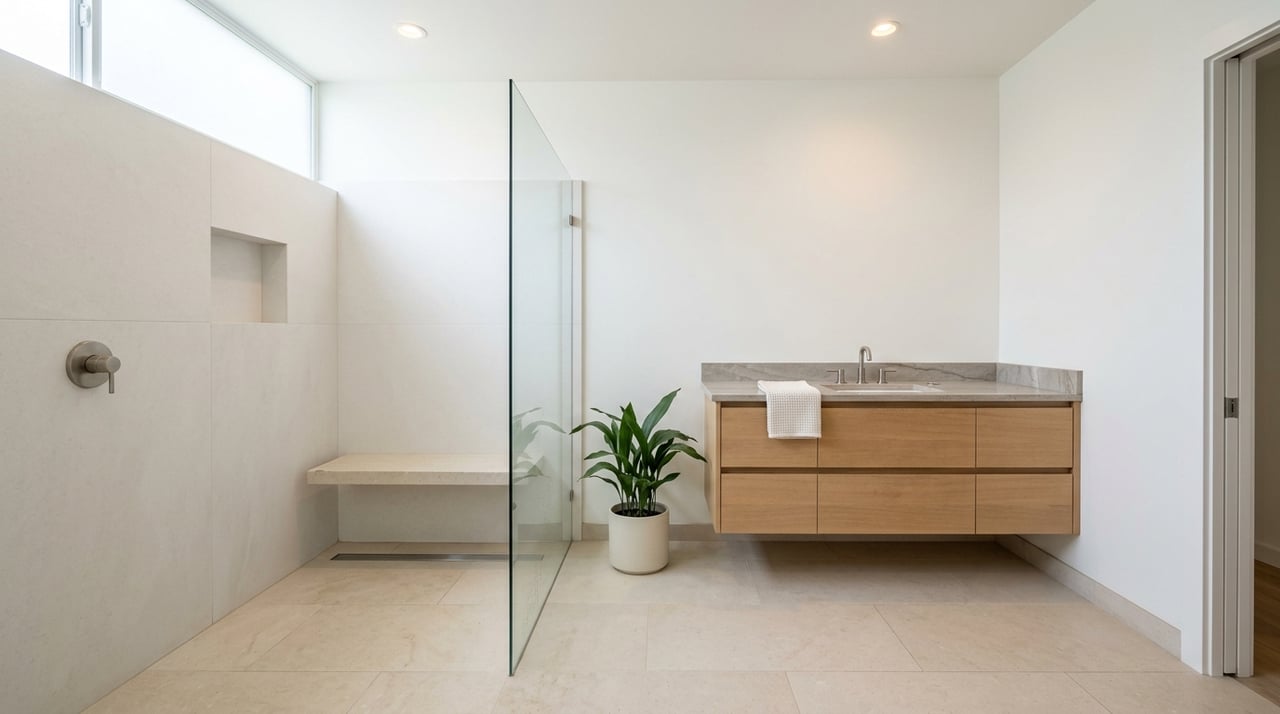
- Selective kitchen or bathroom refreshes
These steps can help buyers focus on the home itself rather than the work they think they will need to do after closing. In many cases, they support stronger pricing better than highly personalized upgrades.
Curb appeal and staging still matter
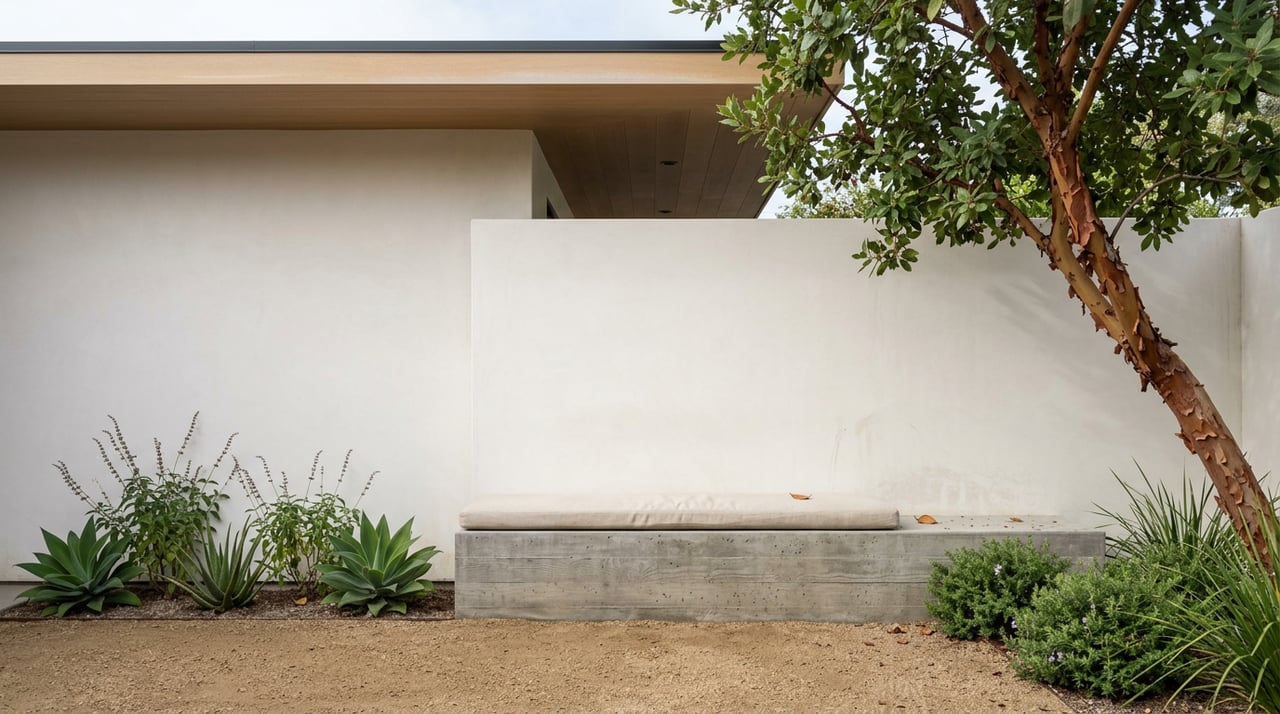
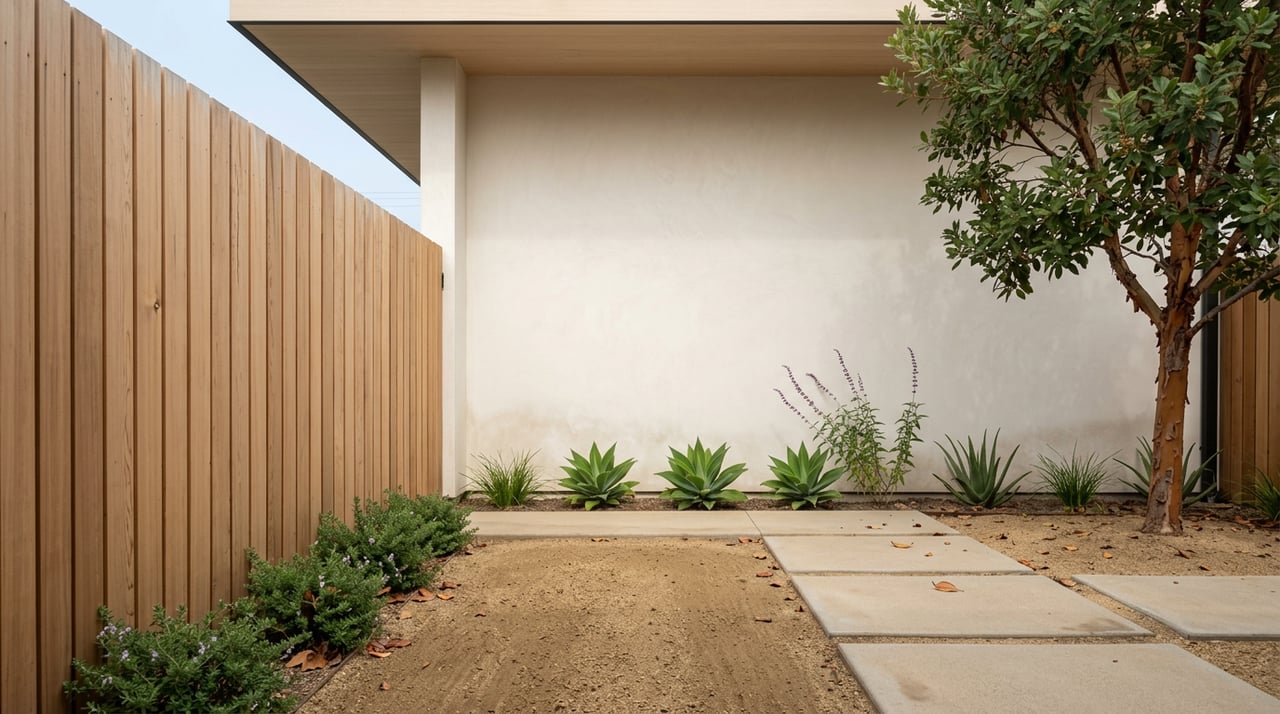
First impressions carry real weight. NAR’s outdoor-features research found that 97% of members said curb appeal is important in attracting a buyer, and 98% said it is important to a potential buyer. That makes exterior presentation a pricing issue, not just a marketing detail.
Simple improvements can go a long way. Cleaning up the yard, refreshing the front door area, handling basic maintenance, and improving overall presentation can help your home feel more move-in ready. That can influence how buyers judge value before they even enter the home.
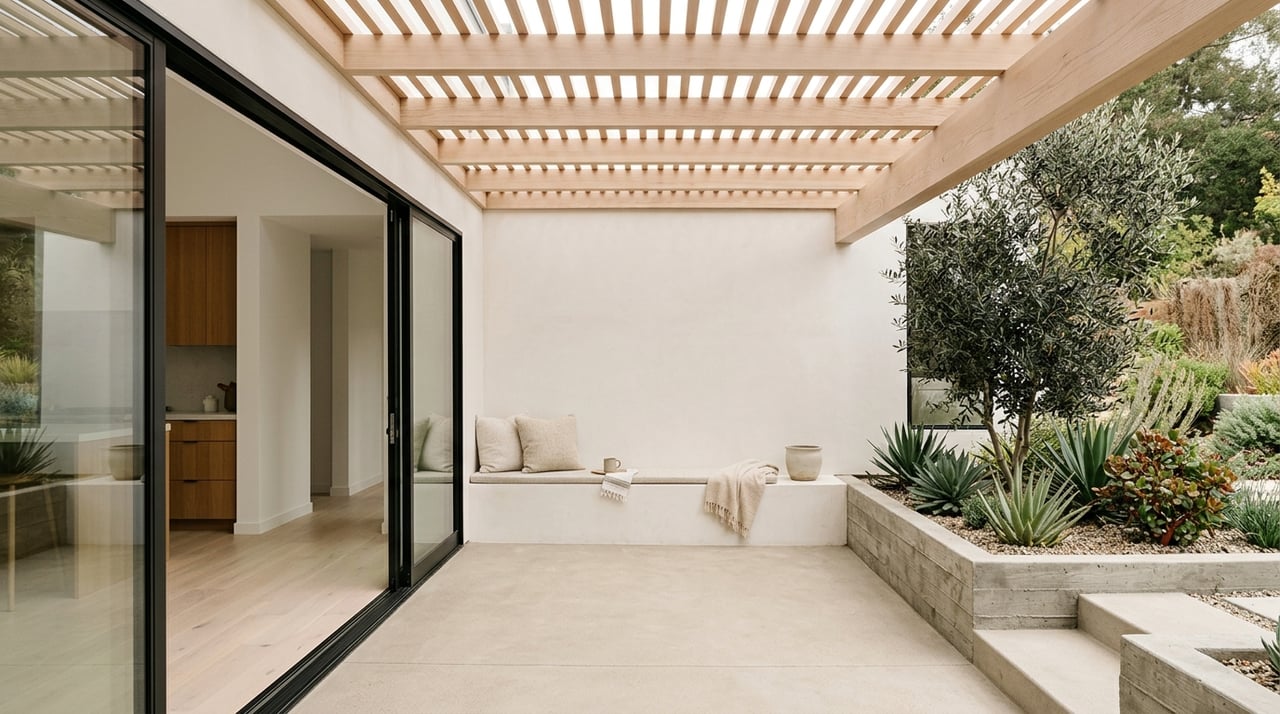
Staging can also help support your asking price. NAR’s 2025 Profile of Home Staging found that 29% of agents saw a 1% to 10% increase in dollar value offered when a home was staged, 49% saw reduced time on market, and 83% of buyers’ agents said staging made it easier for buyers to visualize the property as their future home. In a competitive market, that visual confidence can make a meaningful difference.
Common pricing mistakes to avoid
Even in a strong market, sellers can lose leverage by missing the mark early. A few common mistakes tend to show up again and again.
Pricing off citywide averages
Citywide numbers are useful for context, but they are not enough to price your home. Chula Vista has a wide range of neighborhoods and property types, so broad averages can hide major differences.
Ignoring attached vs. detached values
Condos, townhomes, and detached homes do not compete in the same way. Pricing across product types can lead to unrealistic expectations and weaker buyer response.
Overestimating upgrades
Not every improvement returns dollar for dollar. Buyers tend to reward clean, well-maintained, broadly appealing homes more consistently than highly customized finishes.
Starting high to leave room
This approach can backfire when buyers are payment-sensitive. If showings are slow from the start, your home may miss its best window of attention.
A practical pricing mindset for sellers
The best pricing strategy is usually a collaborative one built on current local data. It starts with your micro-market, looks closely at recent sold and pending homes, and adjusts for condition, upgrades, and competition. It also stays realistic about how buyers are responding right now.
In Chula Vista, the right list price is not the most aspirational number. It is the number that matches your home’s exact submarket, presentation, and current buyer demand. When you get that right, you give yourself the best chance to attract serious buyers and protect your negotiating position.
If you are thinking about selling in Chula Vista and want a pricing strategy built around your specific home, local neighborhood, and current competition, Edna Mitchell can help you make a confident plan.
FAQs
How should you price a home in Chula Vista today?
- You should base your price on recent sold homes, current pending homes, your exact zip code, your property type, and your home’s condition rather than using a broad citywide average.
Why do Chula Vista home prices vary so much by zip code?
- Chula Vista includes very different submarkets, and prices can shift based on neighborhood, home age, lot size, HOA profile, finish level, and whether the property is attached or detached.
How long should a Chula Vista seller wait before adjusting price?
- The first 10 to 14 days often provide the clearest feedback, and weak showings or limited buyer interest during that period may signal that the price needs adjustment.
Do upgrades help increase a Chula Vista home’s value?
- Yes, but broad-appeal improvements like paint, cleaning, repairs, lighting, curb appeal, and selective kitchen or bath refreshes are often more helpful than highly customized projects.
Does staging matter when selling a home in Chula Vista?
- Yes, staging can help buyers better visualize the home, support stronger value perception, and in many cases reduce time on market.