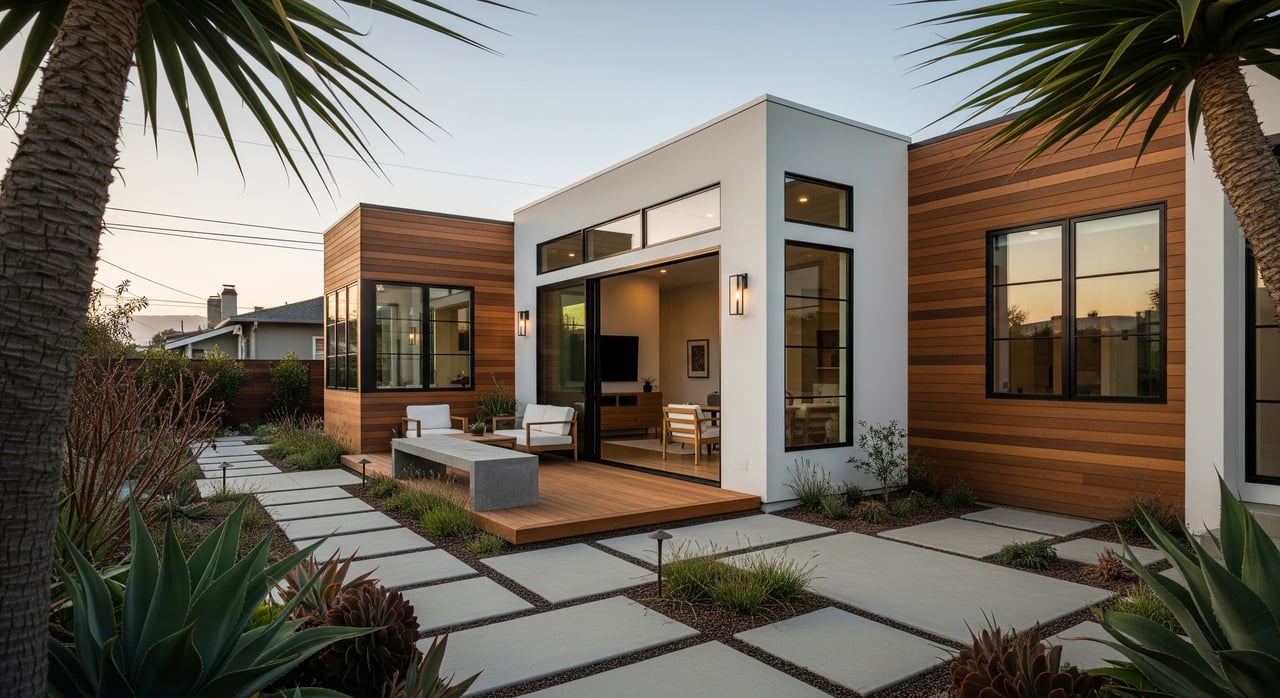
Thinking about building a backyard ADU to offset your mortgage in San Diego? You are not alone. With state rules that ease construction and strong rental demand, an accessory dwelling unit can create flexible space and steady income. In this guide, you will learn the ADU and JADU basics, the local rules that matter most, and a simple way to estimate potential rent and cash flow. Let’s dive in.
ADU and JADU basics
An ADU is a self-contained home on the same lot as a primary residence, with its own sleeping, cooking, and bathroom facilities. Common types include detached backyard cottages, attached additions, and garage or interior conversions. A JADU is a smaller unit created within existing living space and typically includes a kitchenette. State guidance commonly caps JADUs at 500 square feet, while full ADUs can be larger depending on local standards that you will need to verify with the City of San Diego.
State law sets a permissive baseline that cities must follow. It streamlines permitting, limits many parking and owner-occupancy rules, and encourages creation of ADUs. Local standards still control details like setbacks, height, design, and special overlay reviews. Your plan must meet California Building Code and any San Diego amendments.
San Diego rules that shape your ADU
Zoning and eligibility
Start by confirming your parcel’s zoning and any overlays such as coastal, historic, hillside, or neighborhood plans. Zoning affects whether an ADU is allowed by right and which standards apply. Lot coverage, floor area ratio, and open-space rules can shape what and where you can build. If you are in an HOA, review CC&Rs early since private covenants can restrict ADUs even when the city allows them.
Size and setbacks
Local limits vary by zone and ADU type. Cities often allow reduced side and rear setbacks for detached ADUs, and a 4-foot minimum is a common state-influenced standard in many places, though hillside, coastal, or historic areas can differ. Height allowances also depend on context, including neighbor privacy and view protections. Always verify San Diego’s current numeric limits for attached and detached ADUs, and confirm the JADU 500 square foot cap.
Parking rules
State rules sharply limit parking mandates for ADUs. Replacement parking is not required when you convert an existing garage to an ADU or JADU. Parking can also be reduced or waived in common cases, such as when the property is within one-half mile of public transit or when the ADU is part of the existing residence or an existing accessory structure. San Diego follows state law and applies its own procedures, so confirm whether your site qualifies for a reduction or waiver.
Utilities, meters, and fees
Plan for water and sewer connections, and ask the local utility whether upgrades or a new lateral are needed. Rules for separate meters vary; many owners share meters, while some opt for separate electric, gas, or water service depending on utility policies. Expect building permit fees and possible connection or capacity charges, with limited fee exemptions often available for smaller ADUs under 750 square feet. Request San Diego’s current fee schedule before budgeting.
Safety and building codes
Your ADU must meet structural, electrical, plumbing, mechanical, and energy standards under California Building Code and CALGreen. Fire-safety requirements can include defensible space, ignition-resistant materials in certain areas, and clear addressing. Sprinkler requirements depend on specific triggers and scope, so verify whether adding an ADU affects the main home. Sleeping areas need compliant emergency egress.
Coastal, historic, and special overlays
Properties in the Coastal Zone, historic districts, or under special neighborhood plans may require additional review. These areas can affect size, placement, height, and exterior design. Factor in the review timeline when you plan your project.
Permitting and timelines
San Diego processes ADUs through its Development Services and Planning & Development Services teams. Many compliant ADUs are reviewed ministerially when they meet objective standards. The city may offer pre-approved plan options or expedited plan checks, depending on program availability. Ask about current review timelines and any pre-approved plans that fit your lot.
Short-term rental limits
San Diego regulates short-term rentals. Using an ADU as a vacation rental can require registration and may be limited by primary-residence rules. Plan on local transient occupancy taxes and compliance if you pursue short-term use. Verify current rules before assuming your ADU can operate as an STR.
Estimate ADU rental income
Find rent comps
Build a comp set with similar unit types near your neighborhood. Focus on size, number of bedrooms, and amenities like a private entrance or laundry. Consider proximity to transit, employment hubs, universities, or military facilities, since location affects demand. Estimate a rent per square foot, then apply it to your planned unit size for a starting rent range.
List operating costs
Budget for ongoing expenses so your income estimate is realistic:
- Property taxes, including any reassessment from new construction
- Insurance tailored for rental use
- Utilities you will cover, or metering costs if you separate service
- Routine maintenance, landscaping, repairs, and a vacancy reserve
- Property management fees if you hire a manager
- Permit and connection fees, plus any local registrations
- Capital reserves for future systems and appliance replacements
Run the numbers
Use a simple framework to test scenarios:
- Gross rent: estimated monthly rent multiplied by 12
- Net operating income: gross rent minus operating expenses
- Debt service: monthly loan payments if you finance construction
- Cash-on-cash return: (NOI minus debt service) divided by your cash invested
- Cap rate: NOI divided by property value if you want an investment metric
- Payback period: total project cost divided by annual cash flow
Test multiple rent and cost assumptions to see how sensitive your return is to vacancy, utility coverage, and financing terms.
Financing choices
Owners often use cash, a HELOC, a cash-out refinance, a renovation loan, or an ADU-specific product from select lenders. Lenders can require plans and permits, and some treat projected ADU rent differently for qualifying. If you plan to count future rent to qualify, ask your lender about their policy before you start.
Taxes and insurance
Expect an increase in assessed value after construction. Rental income must be reported, and eligible expenses and depreciation may offset income. Insurance should reflect the new rental use, which can mean a landlord policy or endorsements that cover liability and the ADU’s contents. Consider speaking with a CPA and your insurance carrier before you break ground.
Owner checklist: verify before you build
Use this checklist to gather facts early. Many items change over time, so confirm directly with the City of San Diego, utilities, and your HOA.
- Zoning and overlays: eligibility, coastal or historic districts, hillside constraints
- Size, height, setbacks: current numeric limits for your lot and ADU type
- Parking: whether a waiver applies, including transit proximity or garage conversion
- Utilities: water and sewer connection requirements and any capacity fees
- Metering: options for separate or shared meters and approximate costs
- Fees and permits: current building fees, timelines, and any pre-approved plans
- Fire and code: sprinkler triggers, egress, smoke and CO detector requirements, CALGreen
- STR rules: registration, primary-residence requirements, and any occupancy limits
- Financing: whether your lender allows projected rent for qualification
- Taxes and insurance: likely reassessment and policy updates for rental use
- HOA/CC&Rs: whether ADUs are permitted and approval steps
- Site conditions: sewer lateral capacity, easements, slope, drainage, flood zone, protected trees, and construction access
Pitfalls and red flags
- Overlooking HOA or CC&R restrictions that delay or block your project
- Assuming parking is not required without confirming waiver eligibility
- Underestimating utility connection or capacity fees
- Designing beyond height or setback limits in coastal or hillside areas
- Relying on short-term rental income without verifying current rules
- Skipping a vacancy and repair reserve that protects your cash flow
Smart next steps
- Pull your parcel’s zoning details and overlays, then confirm ADU eligibility with the city. 2) Ask Development Services for current fees, permit timelines, and any pre-approved plans that fit your site. 3) Speak with utilities about metering and connection needs. 4) Price your project with an architect or contractor experienced in San Diego ADUs. 5) Build a rent and expense pro forma, then talk with a lender and CPA so your financing and tax plan align.
When you are ready to explore whether an ADU makes sense for your property, connect with a local real estate advisor who understands neighborhood demand, rental comps, and financing coordination. The right guidance helps you design for income and long-term value. If you want a second opinion on location strategy, rental potential, or timing, reach out to Edna Mitchell for a friendly, data-informed consult. Get your home valuation or call to discuss your move.
FAQs
What is the difference between an ADU and a JADU in San Diego?
- An ADU is a self-contained unit with its own kitchen and bath, while a JADU is a smaller unit created within the existing home, typically capped at 500 square feet and featuring a kitchenette.
Do I need to provide parking for a new ADU in San Diego?
- Often not, especially for garage conversions or sites within one-half mile of transit, but you should confirm how San Diego applies parking reductions or waivers to your parcel.
How big can my detached ADU be in the City of San Diego?
- Size limits vary by zone and ADU type, with local standards layered over state rules, so request the city’s current numeric maximums for attached and detached units.
Will adding an ADU raise my property taxes in San Diego?
- Likely yes, since new construction can trigger a supplemental assessment, so you should ask the county assessor how an ADU would affect your specific property.
Can I use my ADU as a short-term rental in San Diego?
- San Diego regulates short-term rentals with registration and primary-residence requirements, so check current rules before planning an ADU for vacation rental use.
Do ADUs in San Diego need separate utility meters?
- Not always; separate metering depends on utility policies and your design, so confirm options and costs for electric, gas, water, and sewer before finalizing plans.
How do I estimate ADU rent for my neighborhood?
- Gather nearby comps for similar size and type, adjust for amenities and utilities included, estimate a rent per square foot, then test cash flow with realistic expenses and a vacancy reserve.